Ceramic Coating Maintenance: A Practical San Diego Guide
Keep a coated vehicle clean with careful washing habits and realistic expectations about what coatings do.
· 8 min read
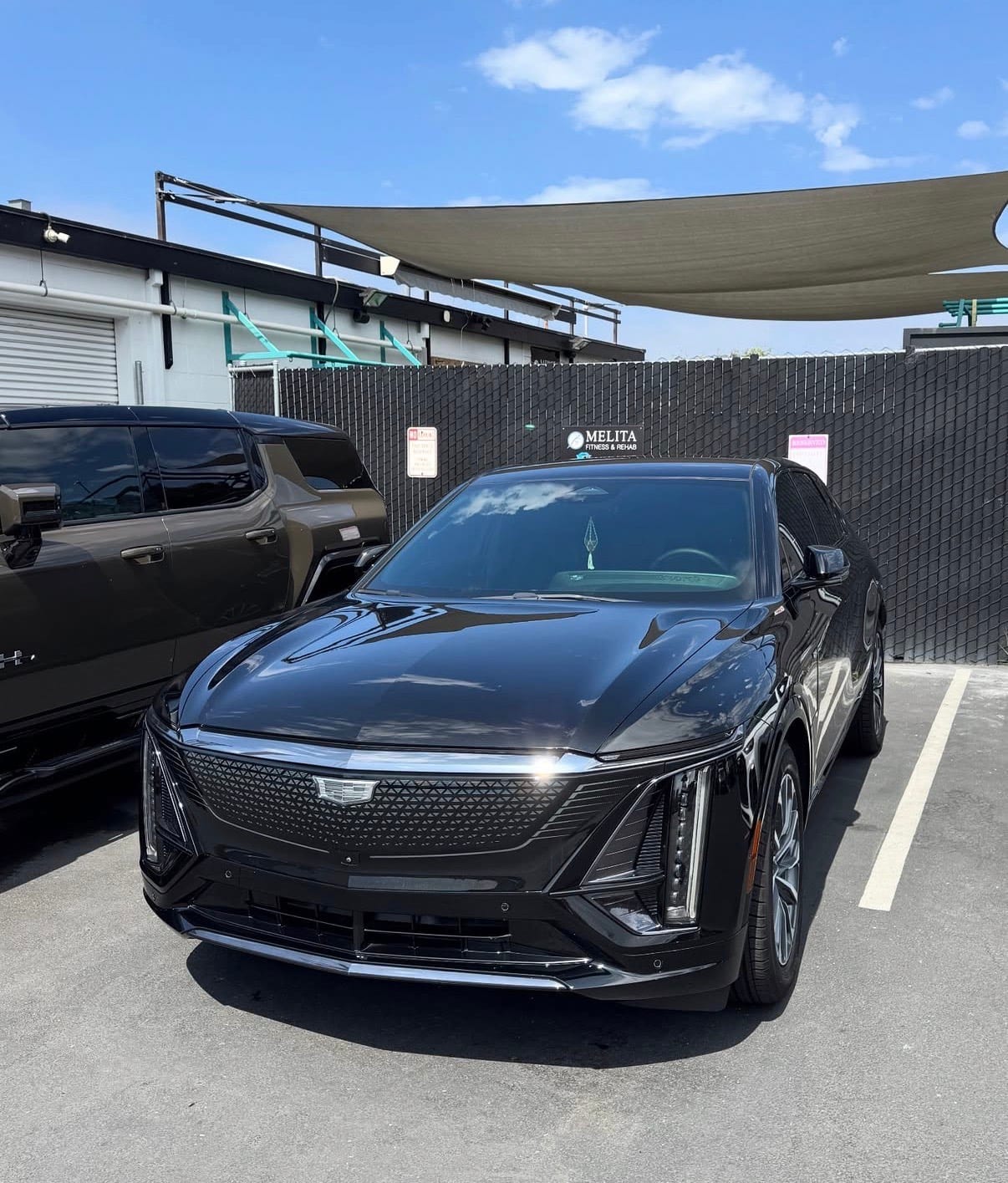
A coating changes maintenance, not the laws of care
A ceramic coating is a surface treatment whose performance depends on the product, preparation, application, and subsequent care. It can change how water behaves on paint and may make routine washing easier, but it does not make a vehicle immune to scratches, chips, water spots, bird deposits, or poor washing technique. Ask the installer what was applied, when it was applied, and what maintenance they recommend; the product label and installer instructions take priority over generic online advice.
San Diego weather is variable despite its familiar coastal reputation. Marine moisture, sunshine, dust, traffic film, and occasional rain can all leave different residues. Outdoor parking under trees has its own risks; a garage does not prevent fine dust or road grime. Rather than promise a precise coating lifespan based on a neighborhood, inspect the vehicle and follow a safe wash routine that avoids unnecessary abrasion.
Use a gentle, repeatable wash method
Rinse loose grit before touching the painted surface, then use a clean wash mitt and a product approved for the coating. Work from cleaner upper panels toward dirtier lower sections and rinse the mitt frequently. Use separate tools for wheels and paint so brake dust is not carried onto the body. Dry with a clean, soft microfiber towel or an appropriate air-drying method; avoid dragging a dusty towel across the finish.
Wash in shade when practical and follow the shampoo dilution and rinse directions. Do not let soap dry on hot panels. Skip household dish detergent, abrasive pads, and unverified “coating boosters” that may leave residue or conflict with product instructions. If you use a new chemical, test it on a small inconspicuous area and confirm it is compatible with your coating. A careful routine matters more than buying a shelf of products.
Deal promptly with contaminants
Bird droppings, bug residue, tree sap, and spilled beverages should not be left indefinitely. Soften a deposit with a damp microfiber or the coating maker’s recommended cleaner, then lift it without scraping. Do not attack a dried spot with a fingernail or abrasive sponge. If the mark remains after safe cleaning, stop and ask a detailer or installer to evaluate it; repeated rubbing can create a larger paint defect than the original contamination.
Hard-water spots can form when mineral-rich water dries on a hot surface. Dry the vehicle after washing and avoid parking where sprinkler overspray repeatedly lands on the paint. A spot that appears etched may not be removed by routine washing, and correction can involve separate paint work. Do not assume clay, polishing, or a coating top-up is the correct remedy until the mark has been assessed and the coating product is known.
Understand what a routine detail can do
A detail does not automatically renew or warranty a ceramic coating. Full Detail starts at $219 and covers inside-and-out cleaning. Deep Detail starts at $299 and includes three-month wax protection. Clay Bar is a $40 optional add-on with those services, while Prestige Detail includes suitable clay decontamination. Tell us about an existing coating before choosing decontamination or protection.
Full Detail does not include polish, sealant or paint protection. Deep Detail includes 3-month wax protection, not a ceramic coating application or warranty. 3-Month Wax Protectant: $40 is optional on Full Detail and included with Deep Detail and Prestige Detail. For coating inspection, paint correction or a specific maintenance topper, ask whether we offer the work and whether it fits your installer's care plan. Confirm compatibility before applying wax to an existing coating.
Keep a useful maintenance record
Save the coating invoice, product name, installer date, and care instructions in your glovebox or phone. Record the date of each wash and any products used. If water behavior changes, note whether it occurs on the hood, roof, or all panels, and whether the vehicle was recently exposed to soap or a spray product. Beading alone is not a definitive measurement of protection; contamination and residue can alter the way water moves without proving that the coating has failed.
When asking an installer for advice, share photos in consistent lighting and include the wash products used. Avoid trying several strong cleaners in quick succession, since that makes diagnosis harder and may affect the surface. If the coating is under a warranty, follow the maintenance and inspection terms in that agreement. A detailing provider can clean the car, but only the coating installer can explain the product-specific warranty obligations.
Plan for a mobile appointment
Choose a permitted driveway or workplace location with room to work and a safe surface around the vehicle. Confirm building rules, water access expectations, and garage clearance before booking. Tell the detailer that the car has a coating, identify the product if known, and ask whether any selected process is compatible. Do not assume every cleaning chemical is suitable just because the vehicle has a coating, especially when a package includes clay treatment.
Choose Full Detail for regular inside-and-out cleaning, Deep Detail for a deeper clean with wax protection, or Prestige Detail for extra care on high-end cars. Local service notes are available for [La Jolla](/la-jolla), [Del Mar Heights](/del-mar-heights), [Carlsbad](/carlsbad), and [Downtown San Diego](/downtown-san-diego). Book only after the parking arrangement and coating information are clear; contact the installer for product-specific maintenance or warranty questions.